 Price Guarantee
 Rent Now
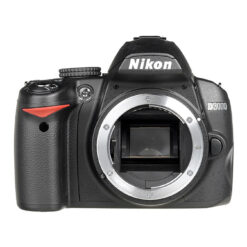
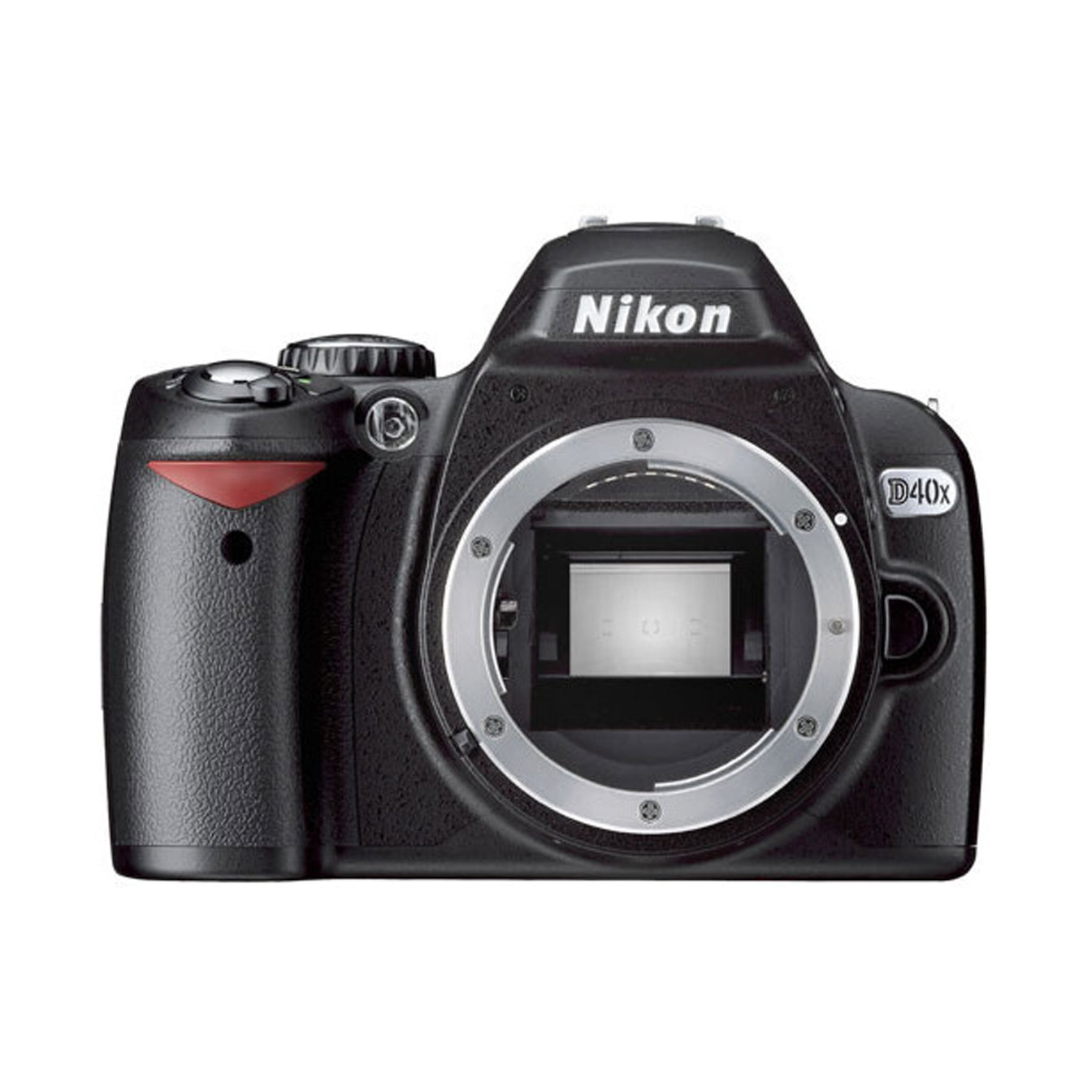
The Nikon D40x is a compact entry-level DSLR announced in March 2007, released as a higher-resolution sister model to the Nikon D40. It’s aimed at photographers who want straightforward, approachable DSLR operation with astounding resolution and broad ISO sensitivity in a genuinely compact, lightweight body.
At the core of the D40x is a 10.2-effective-megapixel DX-format CCD sensor (23.7 x 15.6mm), paired with Nikon’s Image Processing Engine (shared with the D80 and D200), delivering a native ISO range of 100-1600, expandable to 3200 (Hi 1). Nikon’s exclusive 3D Color Matrix Metering II, built around a 420-pixel RGB metering sensor, ensures precision exposure and natural, accurately rendered colors. Autofocus uses a new Multi-CAM530 three-area AF sensor. Continuous shooting reaches 3fps, with an unlimited JPEG buffer (up to 100 shots) depending on card speed.
The camera can power up in a near-instantaneous 0.18 seconds, with virtually none of the shutter lag typical of point-and-shoot cameras, and the shutter offers speeds from 30 seconds to 1/4000 second, with a flash sync speed of 1/200 second. A built-in pop-up Speedlight provides a flash range of up to approximately 17m (56 ft.). In-camera retouching options include D-Lighting (shadow/highlight enhancement), red-eye reduction, trimming, monochrome conversion, filter effects, small picture resizing, and image overlay, along with 8 Digital Vari-Program scene modes for simplified automated shooting.
Handling centers on a 2.5-inch, 230,000-dot fixed LCD monitor, replacing a traditional top-deck status LCD with new LCD-based status and settings screens, along with helpful on-screen suggestions (for example, prompting flash use in dark scenes). The optical pentamirror viewfinder offers approximately 95% coverage and 0.8x magnification, a notable improvement in viewfinder size over the standard D40. The camera does not include Live View or video capture capability, reflecting its era of release.
Build quality is very compact and light, smaller and lighter than the earlier Nikon D50, measuring approximately 126 x 94 x 64mm and weighing about 522g. It stores images on SD cards (SDHC-compliant for cards over 2GB), connects via USB 2.0, and is powered by a Nikon EN-EL9 lithium-ion battery (included with charger), rated for approximately 520 shots per charge. Like the D40, the D40x lacks an in-body autofocus motor, meaning autofocus is only supported with AF-S and AF-I Nikkor lenses that include their own internal focus motor; older screw-drive AF lenses will require manual focus. The D40x uses Nikon’s F-mount lens system, giving it access to Nikon’s extensive lens lineup, subject to this autofocus motor requirement.
Key Features
– 10.2MP DX-format CCD sensor with Nikon Image Processing Engine
– ISO 100-1600 (expandable to 3200)
– 3D Color Matrix Metering II (420-pixel RGB sensor)
– Multi-CAM530 three-area autofocus sensor
– Up to 3fps continuous shooting (up to 100-shot JPEG buffer)
– Shutter speed range of 30 sec to 1/4000 sec; 1/200 sec flash sync
– Built-in pop-up flash (range up to ~17m/56 ft.)
– In-camera retouching (D-Lighting, red-eye reduction, trimming, monochrome, filters, image overlay)
– 8 Digital Vari-Program scene modes
– 2.5″ fixed LCD (230,000 dots) with status/help screens
– Optical pentamirror viewfinder (~95% coverage, 0.8x magnification)
– No Live View or video capture
– SD/SDHC card storage; USB 2.0 connectivity
– EN-EL9 rechargeable battery (~520 shots per charge)
– Compact, lightweight body (approximately 522g)
– Nikon F-mount lens compatibility (requires AF-S/AF-I lens for autofocus; no in-body AF motor)