
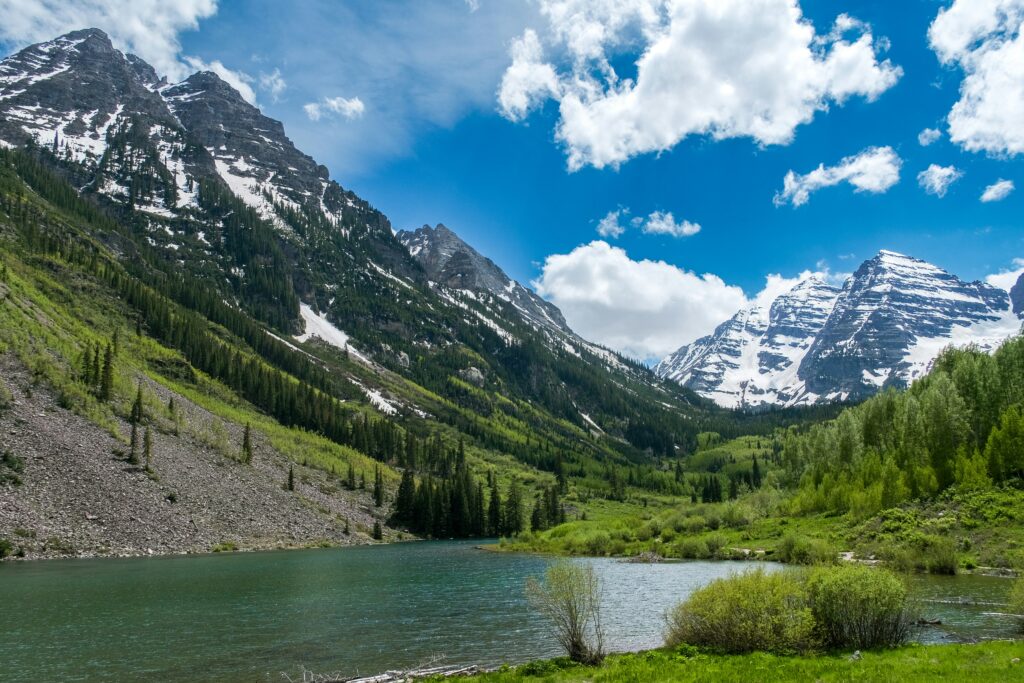
Summer in America is prime time for landscape photographers. From the misty, humid mornings of the Great Smoky Mountains and the sun-drenched coastlines of the Pacific Northwest, to the towering granite peaks of Yosemite and the arid, dusty expanses of the Southwest, the geographical diversity is staggering.
But shooting in the height of summer presents unique challenges. Intense midday sun creates extreme high-contrast scenes that test the limits of your camera’s sensor, while backcountry trails demand gear that is either exceptionally lightweight or rugged enough to withstand blowing sand, sudden thunderstorms, and temperatures soaring past 100 degrees Fahrenheit.
Whether you are packing for a cross-country road trip or exploring your local state parks, here are the top five cameras for capturing the American summer, available now at The Camera Exchange.
1. Sony a7R VI
The Technical Edge
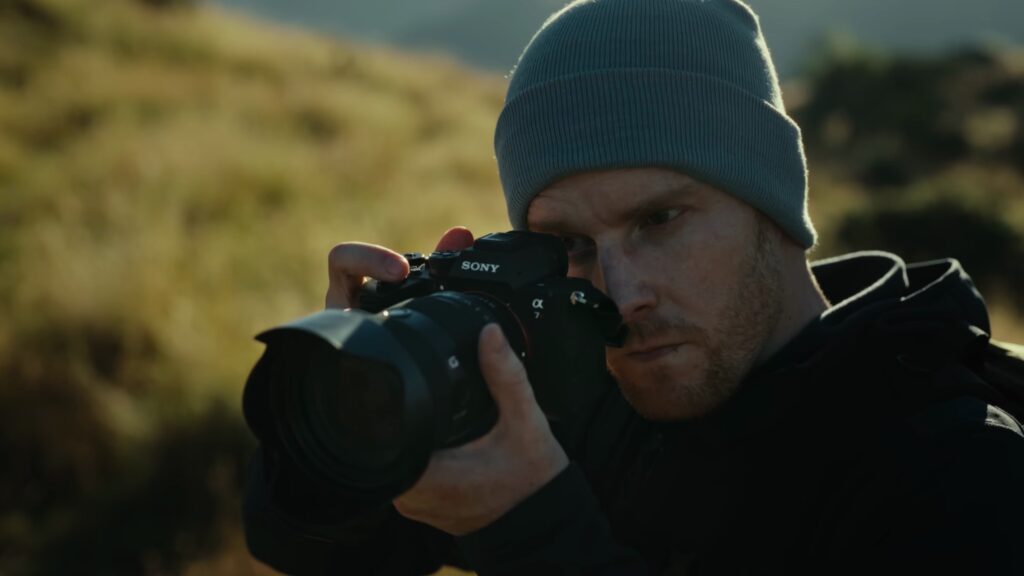
The Sony a7R VI represents a massive leap forward for high-resolution photography. Featuring a stunning 66.8-megapixel stacked CMOS sensor and dual BIONZ XR processors, it delivers an incredible 15-plus stops of dynamic range.
Why It’s Perfect for America’s Landscapes
When you are shooting in the high-contrast environment of desert destinations like Zion or Bryce Canyon, the sunlit canyon rims easily blow out while the deep gorge shadows turn pitch black. The a7R VI’s class-leading dynamic range allows you to pull clean detail out of those deep shadows without introducing destructive noise. Furthermore, its upgraded ultrasonic sensor-cleaning mechanism and robust weather sealing shrug off the fine, blowing silica dust of the Southwest, allowing you to swap lenses with confidence.
📥 Next Step: Pre-order the Sony a7R VI online or in our showrooms.
2. Nikon Z8
The Technical Edge
Built around a 45.7-megapixel stacked sensor and the powerful EXPEED 7 processor, the Nikon Z8 is an electronic-shutter-only powerhouse. Because it completely lacks a mechanical shutter, it eliminates shutter shock entirely—ensuring pixel-perfect sharpness when shooting on lightweight travel tripods.
Why It’s Perfect for America’s Landscapes
The Z8 is built like a physical tank. If you are hiking through the high humidity of the Appalachian Trail or shooting near the highly corrosive, sulfurous spray of Yellowstone’s geysers, you need a body with extreme environmental sealing. The Z8 features a sensor shield that automatically closes when the camera is turned off, protecting the sensor from pollen and moisture during lens changes. Additionally, Nikon’s proprietary “Deep Tone HEIF” profile captures colors with an expanded tonal range, rendering the subtle gradients of a summer sunset over the Rocky Mountains with zero color banding.
🚗 Next Step: Rent the Nikon Z8 for your next National Park road trip to test its legendary durability.
3. Canon EOS R5 Mark II
The Technical Edge
The EOS R5 II pairs a new back-illuminated, stacked 45-megapixel sensor with an accelerated DIGIC Accelerator processing system. This allows for lightning-fast calculations, powering an industry-leading In-Body Image Stabilization (IBIS) system capable of up to 8.5 stops of shake correction when paired with RF lenses.
Why It’s Perfect for America’s Landscapes
Canon’s color science has long been celebrated for its warm, organic skin tones and rich, vibrant reds and greens—making it the premier choice for the fiery red-rock amphitheaters of the Southwest or the dense mossy forests of the Olympic Peninsula. When hiking deep into the backcountry, every ounce of weight in your backpack matters. The class-leading stabilization of the R5 II allows you to leave your heavy tripod behind and shoot tack-sharp, handheld landscapes during the fleeting minutes of golden hour, even as your shutter speed drops to a quarter of a second or slower.
🛍️ Next Step: Browse our current Canon EOS R5 II packages and explore compatible RF lenses.
4. Fujifilm X-T5
The Technical Edge
Hauling a massive, heavy gear bag on a steep mountain trail in mid-July is a quick way to wear yourself out. The compact, APS-C-format Fujifilm X-T5 is the perfect lightweight alternative. Despite its small footprint, its X-Trans CMOS 5 HR sensor packs a massive 40.2-megapixel resolution punch, coupled with a Pixel Shift Multi-Shot mode that can merge multiple files into a single 160-megapixel image for ultimate detail.
Why It’s Perfect for America’s Landscapes
Weight is the enemy of the long-distance hiker. The X-T5, combined with compact Fuji prime lenses, weighs roughly 30 percent less than equivalent full-frame systems. The retro, physical control dials on the top plate are highly tactile, allowing you to adjust exposure, ISO, and shutter speed on the fly even if your hands are sweaty or you are wearing UV sun protection gloves. Fujifilm’s legendary “Velvia” film simulation profile is also built-in, which mathematically optimizes forest greens and coastal ocean blues to pop beautifully straight out of the camera without requiring hours of post-processing.
📍 Next Step: Stop by our Austin or San Antonio stores to feel the Fujifilm X-T5’s lightweight form factor in person.
5. Panasonic LUMIX S1 II
The Technical Edge
Designed for absolute reliability, the LUMIX S1 II features a massive 24.2-megapixel sensor that utilizes Panasonic’s High-Resolution mode to shift the sensor in half-pixel increments, outputting jaw-dropping 96-megapixel RAW files.
Why It’s Perfect for America’s Landscapes
Summer heatwaves can easily cause modern mirrorless cameras to overheat, especially when shooting long exposures or time-lapses in direct sunlight. The S1 II is engineered with an internal, weather-sealed cooling fan that actively dissipates heat away from the sensor, allowing it to operate continuously in ambient temperatures up to 104 degrees Fahrenheit without locking up. If you plan to make large-format gallery prints of your travels, its handheld High-Res mode captures pristine detail while suppressing the artifacts caused by moving foliage or running water, making it a dream for forest creeks and coastal tides.
📞 Next Step: Talk to our team about the Panasonic LUMIX S1 II and find the perfect L-mount lenses for your kit.
Pro Tips for Shooting High-Summer Landscapes
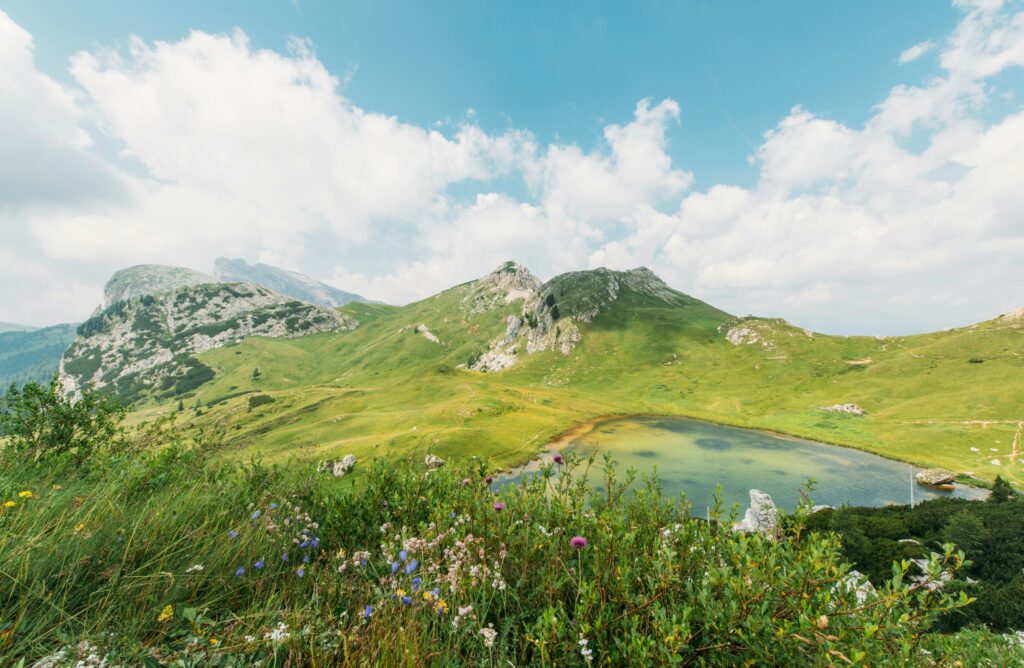
To get the most out of your high-end camera body this summer, keep these practical tips in mind while out in the field:
- Combatting Heat Haze: On hot days, the sun heats the ground, causing columns of warm air to rise. This creates “heat shimmer” or “heat haze,” which destroys distant image sharpness. To avoid this, plan your shoots for early morning (before the ground has absorbed heat) or stick to shorter focal lengths (under 50mm), as telephoto lenses magnify the optical distortion.
- Mastering the Circular Polarizer: Summer skies can often look washed out due to atmospheric haze. A high-quality Circular Polarizing (CPL) filter is essential. By rotating the filter, you can cut through haze, darken blue skies to make white clouds pop, and eliminate harsh reflections on forest leaves and water surfaces.
- Protecting Your Sensor: When shooting in dusty locations, always point your camera body downward toward the ground when changing lenses. This simple habit prevents falling dust from landing directly on your sensor glass.
Ready to Upgrade Your Summer Travel Kit?
Finding the perfect camera is all about how it feels in your hands and how it fits into your travel style. Stop by The Camera Exchange on San Pedro Ave in San Antonio or Burnet Rd in Austin to test these models in person before you head out on your summer adventures.